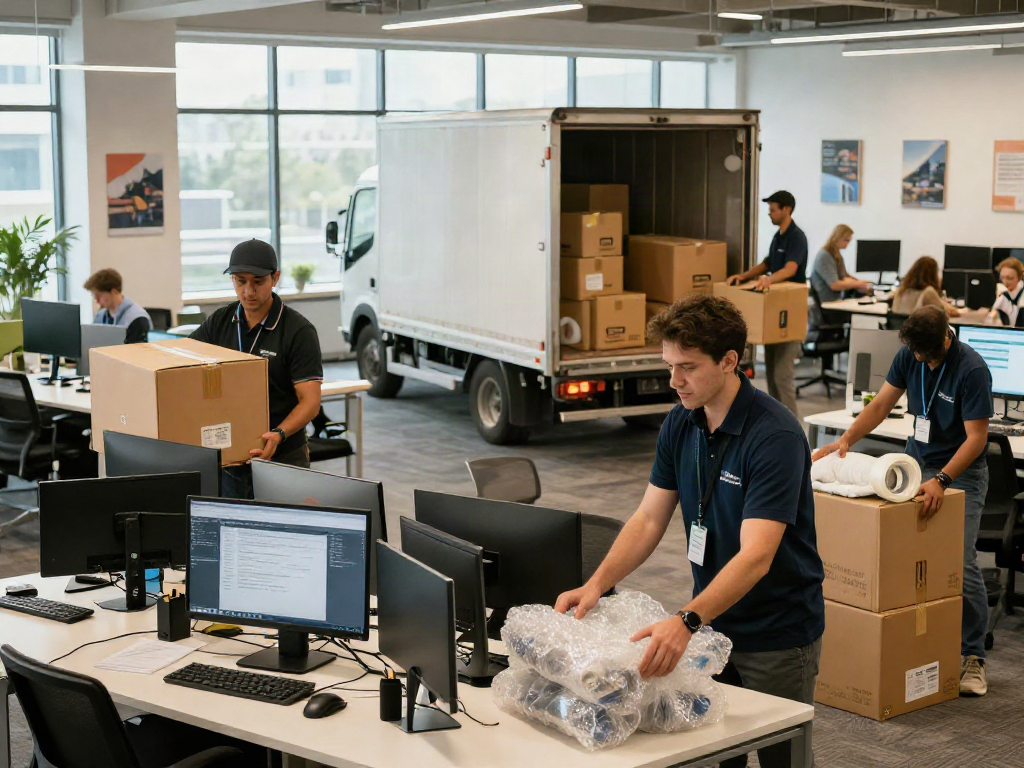
The Importance of Choosing Professional Office Movers
Relocating an office is a pivotal event that can significantly impact a business's operations and employee morale. Opting for office movers can alleviate the stress associated with such transitions. Professional movers not only streamline the physical process of relocation but also offer expertise that can safeguard against costly downtime and logistical issues. In this article, we will delve into the myriad of advantages that come with hiring professional office movers, as well as provide actionable insights on planning, executing, and adapting to the complexities of moving an entire office.
What to Look for in Office Movers?
When searching for the right office movers, it is crucial to evaluate several factors to ensure that your chosen team can handle your unique moving requirements. Here are key attributes to consider:
- Experience and Expertise: Look for companies with a proven track record in office relocations. Experience can significantly reduce potential issues that arise during the moving process.
- Licensing and Insurance: Verify that the moving company is licensed and insured. This is vital for protecting your assets and ensuring that the movers adhere to industry regulations.
- Services Offered: Confirm that the movers provide a comprehensive range of services, including packing, transportation, and unpacking, tailored to office-specific needs.
- Customer Reviews: Investigate customer testimonials and case studies to gauge the company’s reputation and service quality.
- Cost Transparency: Obtain detailed quotes that breakdown all potential costs to avoid any surprise charges during the move.
Understanding Cost vs. Value in Office Moving
While it may be tempting to choose the cheapest option available, understanding the balance between cost and value is vital. Engaging with professional office movers can come at a higher initial expense, but the long-term benefits often outweigh these costs. Investing in experienced movers means:
- Reduced Downtime: Efficient moving processes translate to less disruption in business operations, allowing your team to return to productivity faster.
- Minimised Risk of Damage: Professionals use appropriate packing materials and techniques, reducing the risk of damages to expensive equipment and furniture.
- Peace of Mind: Knowing that your move is in capable hands can alleviate stress for management and employees alike, enabling a smoother transition.
How Professional Movers Enhance Efficiency
Efficiency is paramount in any office relocation. Professional movers employ a series of strategies to maximise productivity during the move:
- Pre-Move Planning: Experienced movers work with businesses to create detailed moving plans that outline every step, from initial packing through to setup in the new location.
- Use of Proper Equipment: Professional movers have access to specialized equipment that can facilitate safe and efficient moves, such as dollies, lifts, and packing supplies.
- Expert Staff: Trained staff are familiar with the best practices for disassembling, moving, and reassembling office furniture and equipment.
Planning Your Office Move Effectively
Creating a well-thought-out plan is crucial for a successful office move. Implementing structured strategies can lead to a smoother process with less disruption to your operations. Below are essential steps to take:
Creating a Comprehensive Moving Checklist
A moving checklist serves as a guideline to ensure that nothing is overlooked. Key components to include in your checklist are:
- Setting a timeline for when each phase of the move will take place.
- Assigning responsibilities to team members to manage specific tasks.
- Preparing an inventory of all assets that need to be moved.
- Ensuring that IT and communications systems are scheduled for a seamless transfer.
Understanding and Communicating Timelines
Clear communication of timelines with your employees and stakeholders is essential to maintain transparency and mitigate anxiety. Key actions include:
- Setting specific dates for the start and completion of the move.
- Regularly updating employees on progress and any changes to the schedule.
- Establishing a point of contact for questions and concerns during the process.
Involving Employees in the Moving Process
Involving employees can enhance engagement and ease the transition. Consider the following:
- Soliciting feedback on the new office layout to ensure it meets employees' needs.
- Encouraging team members to pack their personal items, which can foster a sense of ownership and responsibility.
- Organising team-building activities throughout the moving process to maintain morale.
Logistical Considerations for Office Relocations
Logistics play a vital role in ensuring that an office move is executed seamlessly. Understanding these logistical aspects can help avoid pitfalls:
Space Planning and Floor Layout Design
A well-planned office layout can improve workflow and efficiency. Factors to consider include:
- How the arrangement can foster collaboration among team members.
- Designating specific areas for different functions, such as quiet zones for focused work.
- Incorporating flexible spaces that can adapt to future changes in team size or function.
Transporting Sensitive Equipment Safely
Many businesses rely on sensitive equipment and technology to operate. Proper handling of these items is essential:
- Using custom packing solutions for delicate equipment.
- Designating experienced staff to oversee the transportation of high-value assets.
- Conducting thorough checks of all equipment before and after the move to ensure nothing is damaged or lost.
Dealing with Unexpected Challenges During the Move
Despite thorough planning, unexpected challenges can arise during an office move. Preparation is key:
- Establishing contingency plans for common issues like delays, equipment failures, or last-minute changes in your moving date.
- Training staff to remain adaptable and maintain a positive attitude in the face of disruptions.
- Having a dedicated team on standby to handle emergencies as they arise.
Post-Move Strategies for a Smooth Transition
The work doesn't finish once you’ve moved into your new office. These strategies can help ensure a smooth transition:
Setting Up Your New Office Space
Once the physical relocation is complete, attention must turn to establishing the new environment:
- Following through on the planned office layout to promote efficient workflows.
- Setting up technology and communication systems promptly to minimise downtime.
- Identifying and addressing any issues that arise in the first few weeks post-move.
Communicating Changes with Clients and Stakeholders
Transparent communication with clients and stakeholders is crucial for maintaining trust and clarity:
- Informing clients of your new address and any changes in service delivery.
- Utilising newsletters, emails, and social media to update stakeholders about the move.
- Encouraging feedback on services to ensure continued satisfaction after the transition.
Offering Support to Employees in the New Environment
Supporting your employees during the transition can bolster morale and productivity:
- Organising orientation sessions to familiarise staff with the new workspace.
- Providing resources for any mental health support as they adjust to changes.
- Implementing team-building activities to foster connections in the new environment.
Future Trends in Office Relocations
As the world of work continues to evolve, so too do the strategies and considerations regarding office relocations. Here are some trends to watch for:
Impact of Remote Work on Office Moving Strategies
The rise of remote work has transformed how businesses approach their physical spaces. Key insights include:
- Reduced demand for large office spaces, prompting smaller, more flexible locations.
- Increased emphasis on locations that promote collaboration when in-person work occurs.
- Rethinking layouts to accommodate hybrid work models.
Technological Innovations in the Moving Industry
Technological advancements are revolutionising the moving industry. Potential implications include:
- Utilisation of project management tools that streamline the moving process.
- Increased reliance on virtual reality for visualising new office spaces before the move.
- Adoption of AI to predict potential moving challenges and suggest solutions.
Adapting to Sustainable Office Moving Practices
With sustainability becoming a paramount concern, many businesses are looking to implement eco-friendly practices in their relocation plans. Considerations include:
- Utilising recyclable materials for packing and disposing of items responsibly.
- Choosing moving companies that prioritise reducing their carbon footprint.
- Incorporating energy-efficient practices in the new office design.
What are the benefits of hiring office movers?
Hiring professional office movers brings numerous advantages, including effective planning, time-saving efficiencies, and the protection of your assets during the relocation process.
How do I prepare my office for moving day?
Preparing your office for moving day involves creating a comprehensive checklist, notifying employees, and ensuring that all items are appropriately packed and labelled ahead of time.
What should I do after the office move is complete?
Post-move, focus on setting up your new office efficiently, communicating with clients about the transition, and providing support to your employees to ease the adjustment.
How can I minimise downtime during an office move?
Minimising downtime requires careful planning, effective communication, and the engagement of skilled movers to expedite the process while ensuring careful logistics and setup.
What are the common mistakes to avoid when moving offices?
Avoiding common pitfalls, such as lack of planning, inadequate communication, and not involving employees, can ensure a smoother transition to your new office.