Understanding the Mechanical Vacuum Switch
Mechanical vacuum switches play a crucial role in various industrial applications by providing precise control of vacuum levels. These devices are adept at monitoring and regulating negative pressure within systems, ensuring optimal performance in processes ranging from HVAC operations to automotive systems. This article delves into the mechanics of these switches, highlighting their operational principles, applications, and maintenance practices while addressing the latest innovations for 2026.
What is a Mechanical Vacuum Switch?
A mechanical vacuum switch is a device that reacts to changes in pressure within a vacuum system. It typically uses mechanical elements—such as springs and diaphragms—to detect when a defined vacuum level is reached, resulting in the opening or closing of an electrical circuit. This functionality is vital for maintaining the desired environmental conditions in various industrial processes.
How Does a Mechanical Vacuum Switch Operate?
The operation of a mechanical vacuum switch hinges on the movement of its internal mechanical components. When the pressure in the system falls below a predefined threshold, the diaphragm flexes, triggering a mechanical linkage that activates the switch. Depending on the design, the switch can be configured to either open or close the circuit, thus initiating or terminating processes such as equipment shutdown or the engagement of backup systems.
Key Components of Mechanical Vacuum Switches
Understanding the primary components of mechanical vacuum switches aids in troubleshooting and maintenance. The key parts include:
- Diaphragm: This flexible membrane reacts to pressure changes, serving as the primary sensing element.
- Spring: Provides the necessary resistance to return the diaphragm to its original position once the pressure normalizes.
- Housing: Protects the internal components from environmental factors like dust and moisture, often featuring various IP ratings for durability.
- Electrical Contacts: These are the switch mechanisms that complete or break the circuit based on the diaphragm's position.
Applications of Mechanical Vacuum Switches Across Industries
Mechanical vacuum switches are pivotal across numerous sectors, each requiring specific configurations and functionalities. Understanding their applications helps in selecting the right type for each setting.
Use in HVAC Systems
In HVAC systems, maintaining precise pressure levels is crucial for efficient operation. Mechanical vacuum switches monitor the suction pressure of refrigerants, ensuring that the system operates within safe limits. Should the pressure deviate beyond acceptable thresholds, the switch can deactivate the system to prevent damage or inefficiency.
Role in Industrial Automation
Industrial automation heavily relies on mechanical vacuum switches for controlling processes like material handling and packaging. These switches enable automated systems to maintain optimal vacuum levels, enhancing product quality and consistency while safeguarding against equipment failure.
Applications in Automotive Systems
In the automotive industry, mechanical vacuum switches are used to monitor the vacuum pressure in components such as brake boosters and emission control systems. Their reliability in signaling when to engage or disengage other systems is critical for maintaining safety and performance in vehicles.
Choosing the Right Mechanical Vacuum Switch
Selecting the appropriate mechanical vacuum switch is essential for ensuring optimal performance and longevity. Here are key factors to consider:
Factors to Consider: Pressure Ratings and Settings
Understanding the specific pressure ratings that your application requires is paramount. Mechanical vacuum switches come with various preset ranges, so ensure you select a switch that aligns with the operational vacuum levels needed for your processes.
Material Selection for Corrosion Resistance
Considering the materials used in a mechanical vacuum switch is critical, especially in corrosive environments. Stainless steel and other robust materials should be prioritized to ensure durability and avoid premature failure due to environmental exposure.
Understanding IP Ratings and Their Importance
IP ratings indicate how well a switch can resist dust and water ingress, directly influencing its suitability for various applications. For instance, an IP67 rating means the switch can withstand dust and immersion in water, making it ideal for harsh industrial settings.
Maintenance and Calibration Best Practices
Regular maintenance and calibration of mechanical vacuum switches are vital for ensuring their reliability and accuracy. Here are some practices to consider:
How to Properly Calibrate Your Mechanical Vacuum Switch
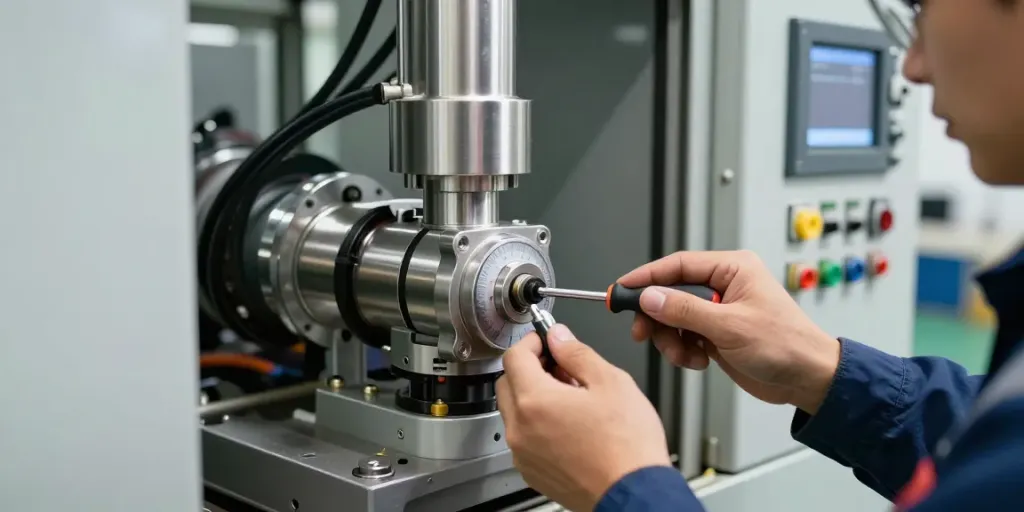
Calibration is often straightforward and can typically be performed without specialized tools. Most models come equipped with an external adjustment screw, allowing field technicians to set the desired pressure levels easily. Following the manufacturer’s guidelines for calibration frequency is crucial to maintain accuracy over time.
Common Signs of Mechanical Failure to Watch For
Monitoring the performance of vacuum switches is essential for early detection of failures. Signs such as erratic operation, failure to activate or deactivate at set points, or physical damage to the housing should be addressed immediately to prevent critical system failures.
Long-term Maintenance Strategies for Longevity
Implement a scheduled maintenance plan that includes regular inspections, cleaning of the switch housing, and testing for accuracy. Keeping records of calibration and performance can help identify trends that may indicate a need for replacement before failures occur.
Future Trends in Mechanical Vacuum Switch Technology
As industries evolve, so do the technologies that support them. The future of mechanical vacuum switches promises exciting advancements.
Innovations to Expect in 2026 and Beyond
Emerging technologies are set to enhance the capabilities of mechanical vacuum switches, including improved materials, more precise sensors, and greater integration with automation systems. These innovations will provide enhanced reliability and performance in diverse applications.
Integration of IoT in Mechanical Switch Systems
The integration of the Internet of Things (IoT) into mechanical vacuum switches is set to revolutionize how these devices operate. Smart switches can provide real-time data analytics, improving decision-making processes in automated systems and enabling predictive maintenance strategies.
Environmental Considerations and Sustainability Trends
As industries focus on sustainability, mechanical vacuum switches must adapt by incorporating eco-friendly materials and designs that minimize waste and energy consumption. The shift toward greener technologies will influence future manufacturing practices.
What are the Benefits of Using Mechanical Vacuum Switches?
Mechanical vacuum switches offer several advantages, including:
- Reliability: With their mechanical design, these switches are less prone to failure compared to electronic alternatives.
- Cost-effective: Lower total ownership costs due to fewer electronic components and easier maintenance.
- Versatility: Suitable for a wide range of applications across multiple industries.
How to Select the Best Mechanical Vacuum Switch for Your Application?
To select the best mechanical vacuum switch, assess your specific application needs, including pressure ranges, environmental conditions, and compatibility with existing systems. Evaluate the manufacturing quality and seek models with proven reliability and durability for your operational environment.