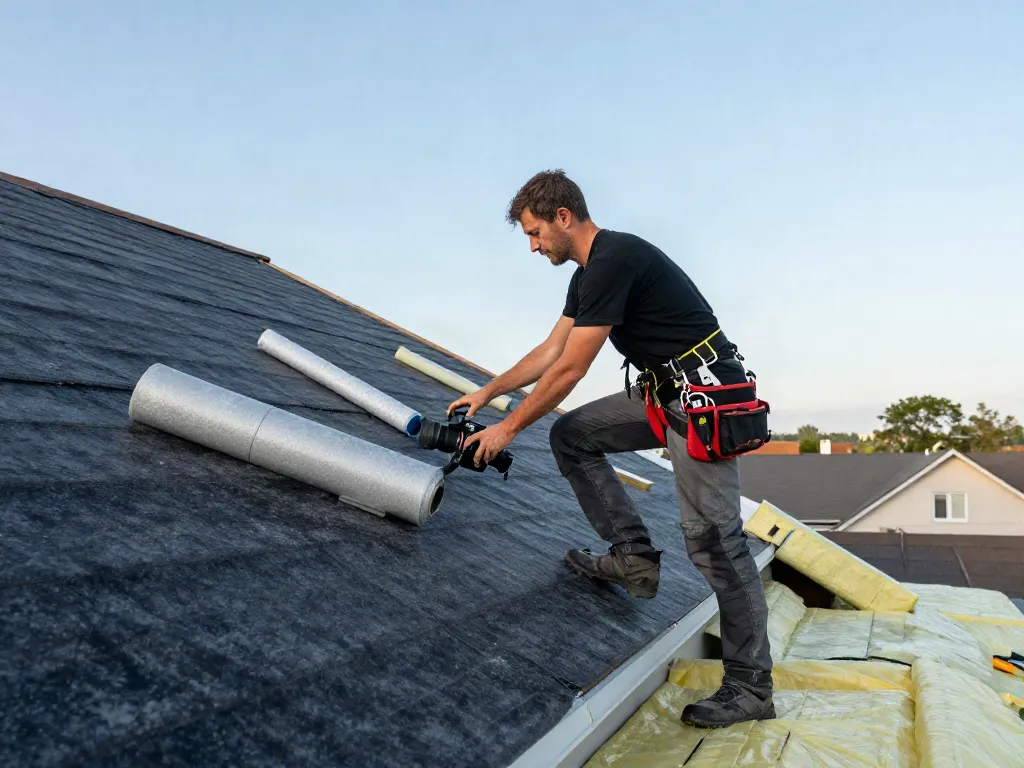
Understanding the Importance of a Felt Roof
Your roof is one of the most critical components of your home, and understanding the type of roofing system you have can significantly impact your home's longevity and condition. A felt roof is a popular choice for many homeowners due to its durability and versatility, especially for flat and low-pitched roofs. Whether you're considering a new installation or facing issues with an existing roof, knowing its benefits can help you make informed decisions. When exploring options, felt roof systems offer comprehensive insights that can help guide your choices.
What is a Felt Roof and Its Benefits?
A felt roof is typically made from layers of felt material, commonly impregnated with bitumen, which makes it ideal for flat roofing systems. This type of roofing is installed in multiple layers to ensure maximum protection against the elements. The primary benefits of a felt roof include:
- Waterproofing: The layers of felt create a waterproof barrier that protects your property from rain and moisture intrusion.
- Cost-Effectiveness: Felt roofing is generally more affordable compared to other roofing materials, making it a popular choice for budget-conscious homeowners.
- Flexibility: Felt can be applied to various surfaces and shapes, making it adaptable to different roofing structures.
- Longevity: Modern felt roofs can last up to 20 years or more when installed correctly with proper maintenance.
Common Misconceptions About Felt Roofing
Despite its many advantages, some homeowners hold misconceptions about felt roofing. Some believe that felt roofs are only temporary solutions or that they do not perform well in extreme weather conditions. In reality, modern felt roofing systems are designed to withstand various weather elements, including heavy rain and UV rays. Proper installation and regular maintenance can significantly enhance their longevity and performance.
Long-Term Value of a High-Quality Felt Roof
Investing in a high-quality felt roof not only protects your home but also adds long-term value to your property. A well-maintained felt roof can enhance energy efficiency, prevent leaks, and improve the overall aesthetic appeal of your home. Moreover, a reputable contractor can provide warranties for their work, ensuring that you’re covered for future repairs.
Identifying Problems with Your Felt Roof
Over time, even the best felt roofs may experience issues due to exposure to the elements. Being able to identify problems early can save you significant costs in repairs. Here are some common signs that indicate your felt roof needs attention:
Signs Your Felt Roof Needs Repair or Replacement
- Water Stains: If you notice water stains on your ceilings or walls, it's a clear sign that your roof may be leaking.
- Blistering or Bubbling: These imperfections can indicate trapped moisture, which can compromise the roof’s integrity.
- Cracks or Tears: Visible cracks or tears in the felt can lead to significant leaks if not addressed promptly.
- Pooling Water: If water is pooling on top of your roof, it can lead to material deterioration and leaks.
Common Issues and Their Causes in Felt Roofing
Felt roofing issues often arise from improper installation, lack of maintenance, or harsh weather conditions. Common problems include:
- Poor Adhesion: If the felt is not properly adhered, it can lift and create gaps.
- Debris Accumulation: Leaves and other debris can retain moisture and lead to rot.
- UV Damage: Prolonged exposure to sunlight can break down the felt material over time.
When to Call a Professional Roofer
If you notice any of the above signs, it's essential to consult with a professional roofer. Early intervention can prevent further damage and costly repairs. Professional roofers can provide a thorough inspection and determine whether repairs or a full replacement is necessary.
The Process of Installing a Felt Roof
Understanding the installation process for felt roofs can help homeowners prepare better for their roofing projects. Here’s an overview of what to expect during the installation:
Choosing the Right Materials for Your Felt Roof
Opting for quality materials is crucial for the longevity of your felt roof. There are various types of felt available, including:
- Bitumen Felt: The most common choice, suitable for many roofing needs.
- EPDM Rubber: Offers excellent durability and resistance to extreme weather.
- Fiberglass Felt: Provides superior insulation and durability.
Step-by-Step Installation Guide for Homeowners
The installation of a felt roof typically involves several steps:
- Preparation of the roof surface, ensuring it is clean and dry.
- Applying a layer of bitumen to the surface to create a bond.
- Rolling out the felt and securing it with nails or adhesive.
- Adding additional layers for enhanced protection and sealing all overlaps.
- Finishing with a protective layer or coating to enhance durability.
Safety Precautions and Best Practices During Installation
Safety is paramount during installation. Here are a few best practices to follow:
- Always use safety gear, including helmets and harnesses.
- Ensure ladders and scaffolding are used correctly.
- Be aware of weather conditions to avoid working in slippery or windy situations.
Comparing Roofing Quotes Effectively
When seeking roofing services, comparing quotes can help you make the best financial decision. Here are some essential aspects to consider:
How to Evaluate Roofing Quotes from Contractors
Not all roofing quotes are created equal. To evaluate them effectively:
- Look beyond the price: consider the materials and labor included.
- Check the contractor’s credentials and experience.
- Read reviews or testimonials from past clients.
Questions to Ask Before Hiring a Roofer
Before hiring a contractor, asking the right questions can help ensure you're making a well-informed choice:
- What type of felt materials do you recommend?
- Are you insured and licensed?
- What is the expected timeline for completion?
Understanding Pricing Differences in Felt Roofing Services
Pricing can vary due to factors like material quality, roofing size, and labor charges. Understanding these variables can help you avoid unexpected costs.
Future Trends in Felt Roofing
As technology evolves, so do roofing solutions. Here are some trends to watch in the felt roofing industry:
Innovations in Felt Roofing Materials for 2026
Future advancements may include more eco-friendly and energy-efficient materials, enhancing insulation and sustainability.
How Climate Change is Affecting Roofing Choices
As climate variability increases, homeowners are now prioritizing roofing solutions that offer resilience against extreme weather patterns.
What Homeowners Can Expect in Roofing Services
Expect more comprehensive warranties, technological integration in roofing, and services that prioritize energy efficiency and sustainability.
What are the Disadvantages of Felt Roofing?
While there are numerous benefits, some disadvantages include its susceptibility to UV damage if not properly maintained and challenges with installation if not performed by qualified professionals.
Is Roofing Felt 100% Waterproof?
While felt roofing is designed to be highly water-resistant, it’s essential to ensure proper installation and maintenance to maintain its waterproofing effectiveness.
What Do Roofers Use Instead of Felt?
Alternatives to felt roofing include traditional shingles, metal roofing, and synthetic options, each offering their own advantages and disadvantages.