
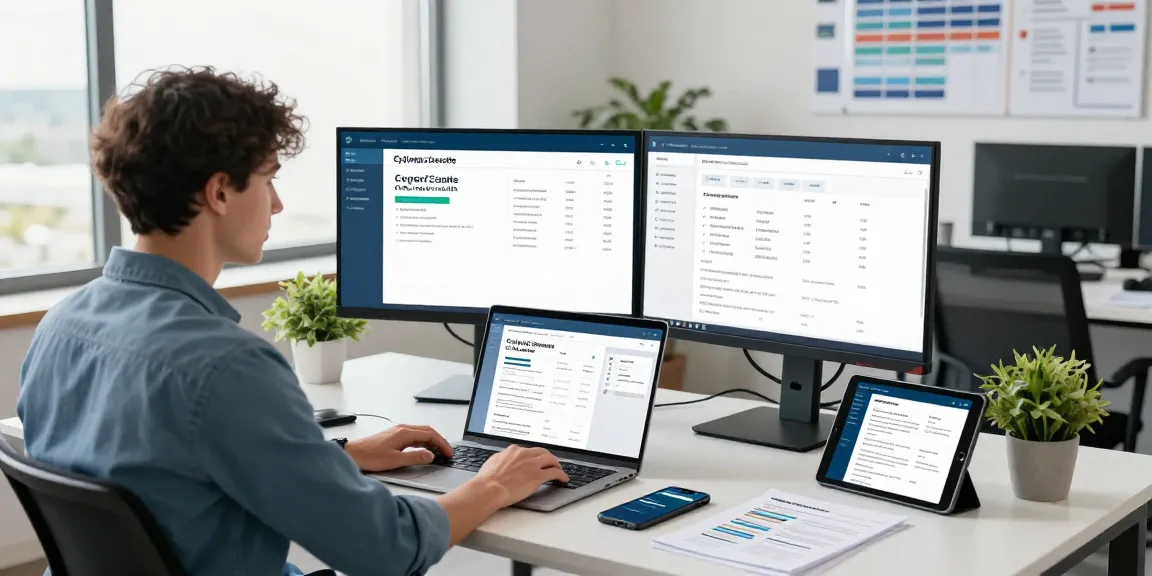
Understanding Cyber Essentials Accreditation
In an increasingly digital world, the importance of cybersecurity cannot be overstated. For UK businesses, cyber essentials accreditation serves as a vital benchmark for safeguarding their information and systems against cyber threats. This certification not only reflects a commitment to cybersecurity best practices but also enhances the organization’s reputation, allowing businesses to build trust with clients and partners.
What is Cyber Essentials and Why It Matters?
Cyber Essentials is a UK government-backed scheme designed to help organizations protect themselves against common cyber threats. It outlines a series of basic security measures that help businesses guard against cyber attacks. Achieving this accreditation demonstrates to customers and stakeholders that an organization has taken necessary steps to secure its systems, which, in turn, can be a significant competitive advantage.
Understanding the significance of Cyber Essentials is crucial, particularly for small to medium enterprises (SMEs) that may not have extensive IT resources. This certification serves as a foundation for more advanced cybersecurity measures, offering practical guidance on the essential controls needed to secure sensitive data and comply with regulatory requirements.
Benefits of Obtaining Cyber Essentials Accreditation
The benefits of Cyber Essentials accreditation extend beyond mere compliance. Firstly, it significantly reduces the risk of cyber attacks and their potential impact on an organization. By implementing the Cyber Essentials framework, businesses can safeguard their data against a variety of threats, leading to a lower likelihood of financial loss and reputational damage.
Furthermore, many government contracts and tenders in the UK require Cyber Essentials certification as a prerequisite. Thus, obtaining this accreditation opens up avenues for businesses eager to participate in government projects or collaborations with larger enterprises. Additionally, it fosters confidence among clients, who frequently seek assurance that their data is handled securely.
Key Differences Between Cyber Essentials and Cyber Essentials Plus
Cyber Essentials comes in two variations: Cyber Essentials and Cyber Essentials Plus. The former is a self-assessment certification that allows organizations to assess their compliance with the basic security controls. In contrast, Cyber Essentials Plus includes an additional layer of verification through an independent assessment by an external auditor.
This distinction is important for businesses to recognize. While Cyber Essentials may suffice for some, Cyber Essentials Plus is often necessary for organizations dealing with government contracts or sensitive data. This added verification not only enhances the credibility of the certification but also ensures that the necessary controls are in place and functioning effectively.
The Five Technical Controls of Cyber Essentials
At the core of the Cyber Essentials framework are five technical controls that organizations must implement to achieve accreditation. These controls form the foundation of a robust cybersecurity posture and include:
Implementing Robust Firewalls and Secure Configurations
Firewalls act as the first line of defense against external attacks. They should be properly configured to block unauthorized access while allowing legitimate traffic to pass through. Additionally, secure configurations on routers and devices help mitigate vulnerabilities. Organizations should follow best practices to ensure equipment is set up securely, including disabling unnecessary services and changing default credentials.
User Access Control Best Practices
User access control is critical in preventing unauthorized access to sensitive systems. Employers should implement policies that enforce the principle of least privilege, ensuring that users have access only to the systems necessary for their roles. Regular reviews of access permissions can help maintain a secure environment and prevent data breaches resulting from compromised accounts.
Effective Malware Protection and Security Update Management
Malware poses a significant threat to organizations, making effective protection essential. This includes deploying anti-malware solutions that scan and remove malicious software and maintaining an updated inventory of software used within the organization. Regular security updates protect systems from vulnerabilities and help mitigate the risks of exploitation by cybercriminals.
The Cyber Essentials Accreditation Process
The path to achieving Cyber Essentials accreditation may seem daunting, but it can be broken down into manageable stages. Here’s how organizations can navigate the process:
From Initial Sign-Up to Certification in Four Stages
- Assessment: Organizations must first assess their current security posture against the Cyber Essentials requirements. This includes reviewing existing security measures and identifying areas for improvement.
- Implementation: Next, businesses implement the necessary security measures across their systems, addressing any gaps identified in the assessment phase.
- Self-Assessment Questionnaire: After implementing the controls, organizations complete a self-assessment questionnaire that requires detailing their security practices.
- Submission and Certification: Once the questionnaire is completed, it is submitted for review. Upon meeting the requirements, the organization receives its Cyber Essentials certification.
Continuous Compliance vs. One-Off Projects
It’s important to emphasize that Cyber Essentials is not merely a one-time project but rather a commitment to continuous compliance. The evolving nature of cyber threats necessitates an ongoing focus on security measures. Organizations must regularly assess and improve their security posture to maintain their accreditation and safeguard against emerging threats.
Preparing for the IASME Audit Smoothly
For those opting for Cyber Essentials Plus, a successful audit by an independent IASME assessor is essential. Proper preparation can make all the difference. This includes ensuring that all technical controls are in place and operational, alongside gathering evidence of compliance.
Part of the preparation involves conducting internal audits and testing systems to confirm they meet the necessary security standards. By adopting a proactive approach, organizations can minimize the risk of issues arising during the audit and ensure a seamless certification process.
Addressing Common Challenges in Certification
Achieving Cyber Essentials accreditation can come with its challenges. Here are some common issues organizations face and how to overcome them:
Navigating the Cyber Essentials Questionnaire Effectively
The Cyber Essentials questionnaire can be daunting, particularly for those unfamiliar with technical aspects of cybersecurity. Organizations should approach the questionnaire methodically, ensuring they understand each requirement and providing clear and concise responses. Seeking assistance from cybersecurity professionals can also aid in preparing comprehensive answers that satisfy auditors.
Understanding Industry-Specific Requirements
Different industries may have additional regulations and standards that impact cybersecurity efforts. Organizations should stay informed about industry-specific requirements that could affect their Cyber Essentials certification, ensuring alignment with all relevant regulations.
Mitigating Misconceptions About Cybersecurity Compliance
Many businesses believe that achieving compliance is overly complex or that it involves extensive resources. However, Cyber Essentials is designed to be accessible, especially for SMEs. By breaking down the steps and leveraging available resources, organizations can approach the process with confidence and clarity.
Future Trends in Cybersecurity and Accreditation
The landscape of cybersecurity is continually evolving, influenced by emerging technologies and evolving threats. Understanding these trends is essential for organizations seeking to maintain their Cyber Essentials accreditation and remain resilient against cyber attacks.
Emerging Technologies and Their Impact on Compliance
Innovations such as artificial intelligence (AI) and machine learning are revolutionizing cybersecurity practices. These technologies can help organizations detect threats more efficiently and respond to incidents faster. However, they also require organizations to adapt their compliance strategies, ensuring that the implementation of new technology aligns with Cyber Essentials requirements.
Preparing for Changes in Cyber Essentials Standards by 2026
As technology evolves, so do the standards governing cybersecurity. Organizations must stay informed about potential changes to Cyber Essentials requirements. Preparing for these adjustments early ensures a smooth transition and continuous compliance, ultimately safeguarding against the latest threats.
The Evolving Landscape of Cyber Threats and Defense
The nature of cyber threats is constantly shifting, introducing new challenges for organizations. Cybercriminals are employing more sophisticated tactics, making it imperative for organizations to stay ahead with proactive defenses. Continuous education and training for staff alongside regular system updates play a crucial role in maintaining a strong security posture.
What is the cost of Cyber Essentials accreditation?
The costs of achieving Cyber Essentials accreditation can vary depending on the size of the organization and the services utilized. Businesses can expect to pay certification fees and may also invest in necessary security upgrades to meet the standards. Many managed service providers offer competitive packages, making compliance more affordable for SMEs.
How long does it take to get Cyber Essentials certified?
Typically, organizations can expect to become certified within a few weeks, provided they have the necessary controls in place. The duration can vary based on the organization’s current security posture and the complexity of their operations. Cyber Essentials Plus may take longer due to the independent audit involved.
What happens during the IASME audit process?
During the IASME audit, an assessor evaluates the organization’s adherence to the Cyber Essentials requirements. This involves reviewing submitted documentation, interviewing personnel, and verifying that technical controls are effectively implemented. Organizations should be well-prepared with evidence of compliance to streamline the audit process.
Are there organizations that require Cyber Essentials Plus?
Cyber Essentials Plus is often a requirement for businesses engaging with government contracts, especially in sectors involving sensitive data, such as healthcare and defense. Many large enterprises also stipulate Cyber Essentials Plus in their vendor requirements to ensure adequate protection against cyber threats.
Can small businesses benefit from Cyber Essentials accreditation?
Absolutely. For small businesses, Cyber Essentials accreditation can provide significant security benefits, enhancing their overall cybersecurity posture. Additionally, it serves as a competitive differentiator, particularly for those looking to engage with larger companies or government entities. The trust established through accreditation can lead to increased business opportunities.